
Brake Hose Service
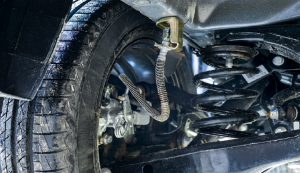 The Importance of Brake Hoses in Your Vehicle’s Braking System
Your vehicle’s braking system is a complex network of parts that must work together flawlessly for safe driving. While components like brake pads and rotors often get the spotlight, a brake hose plays an equally vital role. These flexible lines carry pressurized brake fluid from the master cylinder to the brake calipers or wheel cylinders—translating your foot pressure on the brake pedal into real stopping power.
What Are Brake Hoses?
Brake hoses are flexible rubber or braided stainless-steel lines that connect the rigid metal brake lines to the moving parts of your suspension and wheels. Because your wheels move up, down, and side to side, these hoses must flex constantly without cracking, leaking, or bursting. They serve as the critical link that delivers hydraulic brake fluid where it’s needed, when it’s needed.
When you press the brake pedal, the master cylinder sends brake fluid through these hoses, creating the pressure that forces your brake pads or shoes against the rotors or drums. If a hose leaks or fails, that pressure is lost—causing reduced braking performance or complete brake failure.
Types of Brake Hoses
-
Rubber Brake Hoses
Standard on most vehicles, rubber brake hoses are flexible and cost-effective. They’re reinforced with synthetic fiber layers for strength and durability but can deteriorate over time from age, heat, and exposure to road debris. -
Stainless Steel Braided Brake Hoses
Popular in performance and off-road applications, stainless steel braided hoses feature a Teflon inner core surrounded by a steel braid. This design resists expansion under pressure, providing a firmer, more responsive brake pedal feel and superior durability.
Why Brake Hoses Matter
-
Consistent Hydraulic Pressure: Quality brake hoses maintain consistent fluid pressure for reliable braking power every time you press the pedal.
-
Safety and Reliability: A damaged or leaking brake hose can drastically reduce stopping ability—making regular inspection essential.
-
Improved Pedal Feel: Upgrading to stainless steel hoses can enhance braking precision and feedback, especially in performance or heavy-duty vehicles.
-
Flexibility and Strength: Brake hoses must endure constant movement without fatigue or failure, ensuring dependable performance in all driving conditions.
When to Replace Brake Hoses
Brake hoses should be inspected during every brake service and typically replaced every 5 to 10 years, depending on vehicle age and conditions. Signs that a brake hose may need replacement include:
-
Spongy or soft brake pedal feel
-
Visible cracks, bulges, or leaks
-
Fluid seepage near hose connections
-
Uneven braking performance
Replacing worn or damaged brake hoses helps restore full braking power and prevents costly repairs or dangerous failures on the road.
Rubber hoses are standard and flexible but can expand slightly under pressure. Stainless steel braided hoses resist expansion, offering firmer pedal feel and longer lifespan—ideal for performance or demanding driving conditions.
While some experienced DIYers can replace brake hoses, professional installation is recommended. Proper bleeding of the brake system is critical to remove air bubbles and ensure full hydraulic pressure.
Other Services:
Towns Serviced:
Mundelein, IL
Vernon Hills, IL
Green Oaks, IL
Mettawa, IL
Knollwood, IL
Grayslake, IL
Gurnee, IL
Lake Forest, IL
North Chicago, IL
Waukegan, IL
Makes Serviced:
Toyota
Volkswagen
Hyundai
Ford
Honda
Nissan
Kia
Chevrolet
General Motors
Stellantis
BMW
Mercedes-Benz
Subaru
Jeep
Tesla
Mazda
Volvo
Audi
Lexus